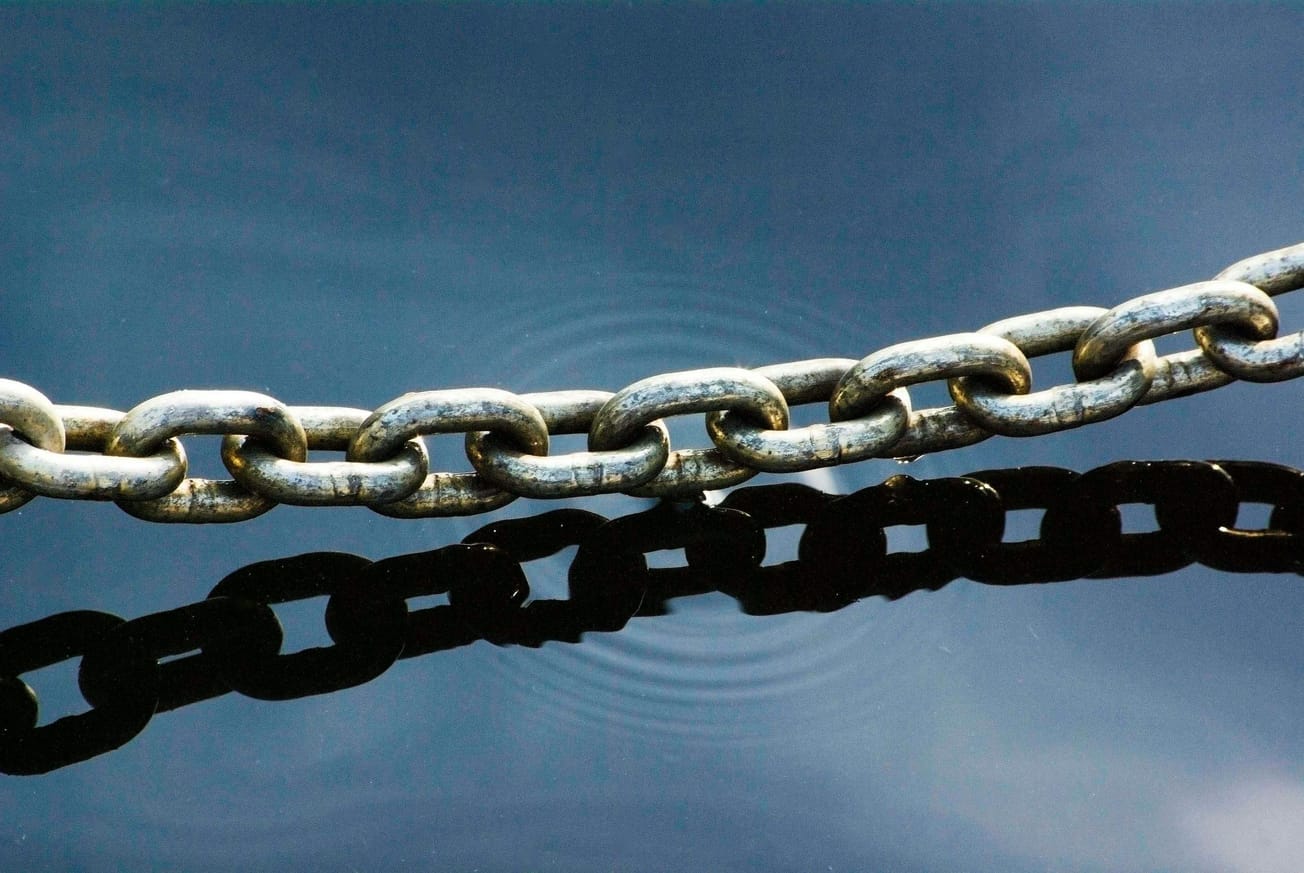

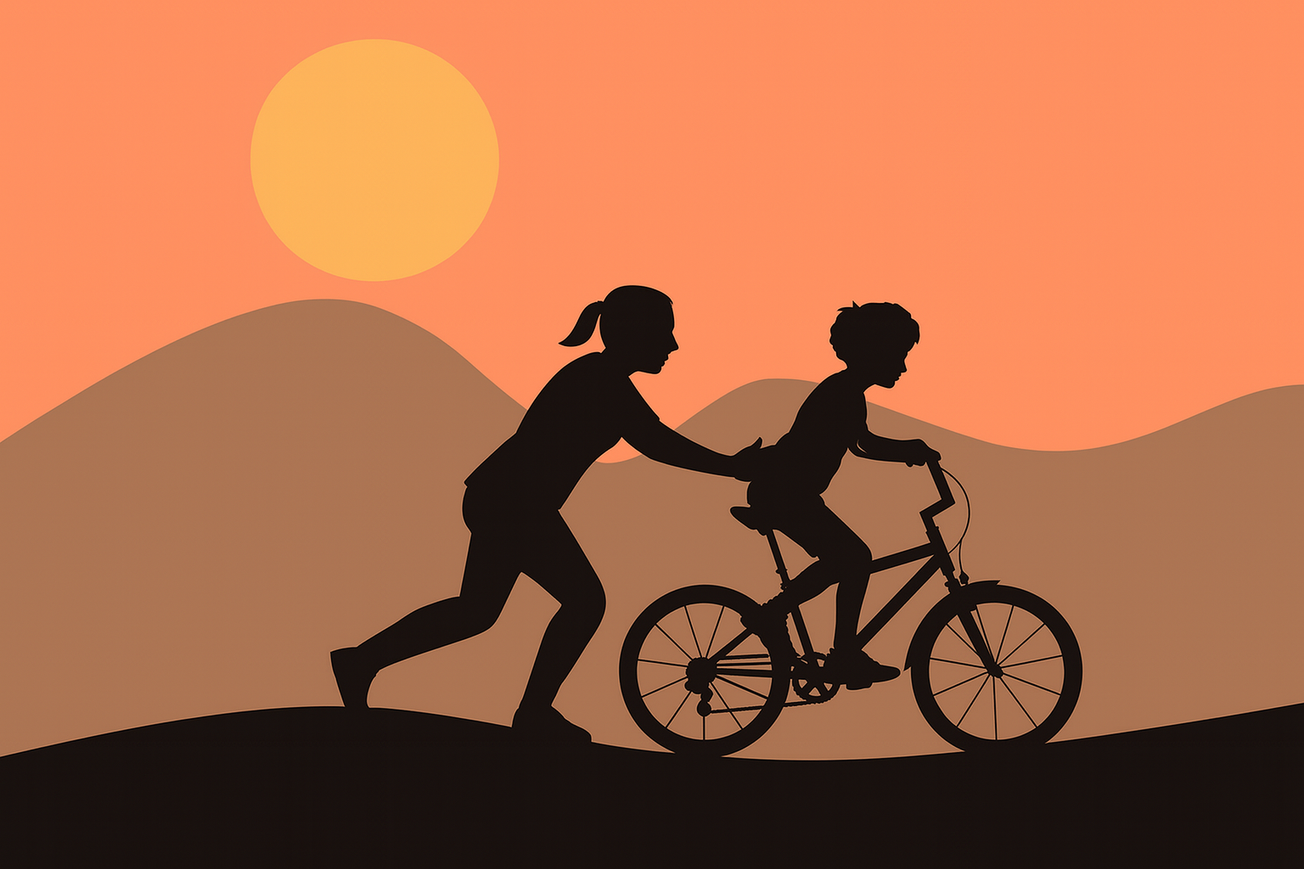
The transformation of academia into a more open and inclusive ecosystem depends not only on new policies or technologies but also on a fundamental shift in how we nurture early-career researchers through mentorship. This values resilience and integrity as much as productivity.
Introduction
In the vast, often complex, competitive, and constantly changing ecosystem of modern academia, early-career researchers (ECRs) frequently navigate without a compass. The current landscape is a perfect storm: the relentless pressure to “publish or perish”, the instability of temporary contracts, and the constant demand for innovation create a swell that can easily overwhelm those just embarking on their journey.
We are rigorously trained in technical arts, including designing robust experiments, analyzing complex data, and drafting papers that meet peer review standards. However, a startling curricular void remains. We are rarely taught how to survive chronic uncertainty, manage the inevitable failures inherent to discovery, or build a career that is both ethical and personally sustainable.
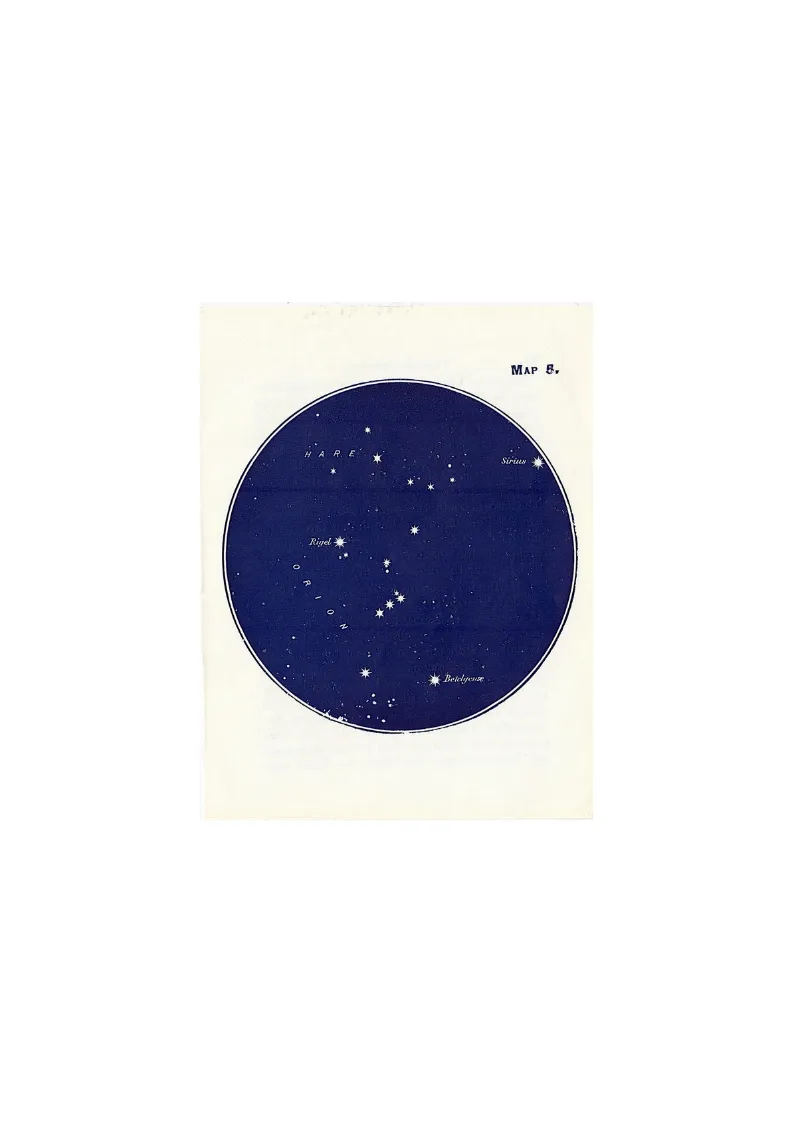
It is in this void that the mentor transcends the role of a technical supervisor to become something far more vital: a lighthouse.
Beyond Technique
Identifying the right mentor is the most pivotal asset for a young scientist's career. We do not merely seek someone to correct methodology; we need a guiding light offering strategic direction, a concept echoed by the “mentoring roadmap” of Montgomery’s (2017), and firm emotional support when internal doubt threatens to capsize us [1].
Technical excellence is the currency of academia, but technique alone cannot “buy” the resilience needed to stay in the game. The path is strewn with rejections and constant comparison. A true mentor recognises that behind the researcher is a person who requires balance to thrive.
The academic community needs to acknowledge that fostering wellbeing is not just an optional luxury but a critical infrastructure. The evidence shows that prioritising quality of life is essential in graduate education, with PhD students frequently reporting significant challenges to their personal balance compared to other professionals [2]. Furthermore, recent studies indicate a mental health crisis in graduate education [3]. Mentors act as sources of wisdom, helping us dissociate our personal worth from our experimental results, which is a decisive factor during periods of scientific “drought”.
The “Kangaroo Mother” Dynamic
To visualise ideal mentorship, we can look to a powerful biological analogy: the mentor as a “kangaroo mother”. Far from being paternalistic, this image illustrates the delicate balance of a successful professional relationship:
- The Pouch (Protection): The mentor offers a haven, shielding the researcher from toxic academic politics and external pressures while they develop. It is a space of psychological safety where errors are not punished but treated as essential learning opportunities.
- The Leap (Autonomy): The goal is not to retain the “joey” forever, but to prepare it for the outside world.
This aligns with Kram’s foundational theory (1983) [4], in which the relationship evolves from “cultivation” to “separation” and finally to “redefinition”. A “lighthouse” mentor knows when to shine the light and when to let the early-career researcher navigate on their own, ensuring they learn to thrive on their own terms.
Guardians of Research Integrity in the Open Science Era
Just as a mentor fosters personal independence, they also cultivate the ethical independence required for modern science. Today, mentorship acquires an inescapable moral dimension. As we transition toward open science, values of collaboration, transparency, and reproducibility challenge old paradigms of secrecy and competition [5]. In this ecosystem, the mentor becomes the primary guardian of scientific integrity.
Open science requires courage, and courage requires support. ECRs learn by observation. If mentors prioritize speed and impact factors over accuracy, we internalize toxic incentives. Conversely, competent mentors instill solid ethical principles. They teach us to value genuine curiosity above academic expediency and ensure that data integrity is absolute.
The European Commission has highlighted that equipping researchers with open science skills is essential. However, skills are useless without the mindset to apply them. A mentor who models transparency teaches us that sharing data and admitting when a hypothesis fails are contributions to science rather than signs of weakness [6].
Finding a Lighthouse in Academia
When a mentor dedicates themselves to supporting without expecting anything in return, breaking the cycle of academic cynicism, they create an environment of loyalty in which we learn that collaboration is infinitely more potent than isolated competition. This reflection is not abstract; it stems directly from my own experience as a mentee five years ago in the EURAXESS programme “Shape the future of a researcher coming to Europe.” That experience allowed me to find my own lighthouse amidst the uncertainty of a new academic landscape. Today, I can proudly say that the relationship transcended the professional sphere. My mentor has evolved to become my friend, my confidant, and my academic role model.
Powering Systemic Change
The academia of the future, which will be more open, inclusive, and human, is built relationship by relationship. To move from precariousness to promise, we call on senior researchers, group leaders, and thesis directors to become lighthouses. But we also call on institutions to value this labour.
To build the human infrastructure of open science, we should:
- Prioritize Emotional Validation: Recognize that your role extends beyond technical supervision. Acknowledge the importance of the researcher's well-being.
- Normalize Failure: Transform devastating experiences, such as grant rejections, into lessons in resilience and strategy.
- Teach Open Science Skills: Equip researchers with the competencies to practise open science effectively, such as data management, preprinting, and open peer review.
- Practice Altruism: Ground the relationship in selflessness. Especially in a globalized world requiring international mobility, support should be given without expecting “cheap labour” in return.
- Foster Independence: Engage in the “subtle dance” of protection and push. Create a trajectory that leads to the mentee's autonomy rather than their dependency.
From Words to Action
We should not underestimate the impact of an honest conversation about failure or an encouraging email after a rejection. By investing in the holistic well-being of the next generation, mentors are not just saving a career; they are ensuring the health, integrity, and future of science itself.
Acknowledgements
This thought piece emerged within the intellectual environment fostered by the TWIN4MERIT project (Twinning for Excellence in Management and Economics of Research and Innovation), funded by the European Union's Horizon Europe research and innovation programme under grant agreement No. 101079196. We gratefully acknowledge the project's support, which has been instrumental in fostering the environment of research excellence and mentorship discussed herein.
References
- Montgomery, B. L. (2017). Mapping a Mentoring Roadmap and Developing a Supportive Network for Strategic Career Advancement. Sage Open, 7(2), 2158244017710288. https://doi.org/10.1177/2158244017710288
- Levecque, K., Anseel, F., De Beuckelaer, A., Van Der Heyden, J., & Gisle, L. (2017). Work organization and mental health problems in PhD students. Research Policy, 46(4), 868–879. https://doi.org/10.1016/j.respol.2017.02.008
- Evans, T. M., Bira, L., Gastelum, J. B., Weiss, L. T., & Vanderford, N. L. (2018). Evidence for a mental health crisis in graduate education. Nature Biotechnology, 36(3), 282–284. https://doi.org/10.1038/nbt.4089
- Kram, K. E. (1983). Phases of the Mentor Relationship. Academy of Management Journal, 26(4), 608–625. https://doi.org/10.2307/255910
- Méndez, E., & Sánchez-Núñez, P. (2023). Navigating the Future and Overcoming Challenges to Unlock Open Science. In E. González-Esteban, R. A. Feenstra, & L. M. Camarinha-Matos (Eds.), Ethics and Responsible Research and Innovation in Practice (Vol. 13875, pp. 203–223). Springer Nature Switzerland. https://doi.org/10.1007/978-3-031-33177-0_13
- European Commission. Directorate General for Research and Innovation. (2017). Providing researchers with the skills and competencies they need to practise Open Science. Publications Office. https://data.europa.eu/doi/10.2777/121253
Copyright © 2025 Pablo Sánchez-Núñez. Distributed under the terms of the Creative Commons Attribution 4.0 License.